
Biscuit Beetles Control (Biscuit Beetles)
Get Free Quote
What are Biscuit Beetles?
From a pest control perspective, biscuit beetles (Stegobium paniceum) represent a significant challenge in residential and commercial settings due to their remarkable resilience and destructive feeding habits. These small reddish-brown insects, measuring only 2-3mm in length, are particularly problematic because of their ability to infest and damage a wide range of stored products beyond just biscuits—including grains, cereals, spices, dried fruits, and even non-food items like books and leather. Their cylindrical bodies and antennae with distinctive three-segmented clubs make them identifiable to pest control professionals, who recognize that a visible adult beetle typically indicates a larger hidden infestation within food packaging or wall voids.
What makes biscuit beetles especially troublesome for pest management is their reproductive capacity and lifecycle dynamics. Females lay approximately 75 eggs directly into food sources, where the C-shaped larvae can develop undetected for 4-5 months, creating extensive damage before pupating and emerging as adults. This hidden development phase often allows infestations to become well-established before detection, necessitating comprehensive treatment strategies rather than simple spot treatments. Professional pest controllers approach biscuit beetle infestations with integrated pest management techniques, combining thorough inspection to locate breeding sources, targeted insecticide application where appropriate, extensive cleaning recommendations, and preventative measures focusing on proper food storage and environmental modifications that disrupt their lifecycle.

Why Are Biscuit Beetles at My Property?
Biscuit beetles (Stegobium paniceum) are primarily attracted to kitchens by the abundance of suitable food sources, particularly starchy and carbohydrate-rich products. These persistent pests have a remarkable ability to detect food odors from a considerable distance and are drawn to pantries containing flour, cereals, pasta, dried fruits, spices, cookies, and other dry goods. The beetles are especially attracted to older food products where slight fermentation may have begun, as these emit stronger scents that serve as powerful attractants. Additionally, food debris in cracks, corners, and behind appliances provides an inviting environment for these opportunistic insects seeking both nutrition and breeding sites.
The warm, humid conditions common in Randburg kitchens create an ideal environment for biscuit beetles to thrive and reproduce rapidly. These insects prefer temperatures between 20-30°C with moderate humidity levels—conditions frequently found in South African kitchens, particularly in poorly ventilated pantry areas. Inadequate food storage practices, such as keeping products in their original paper or cardboard packaging rather than sealed containers, significantly increase attraction and infestation risk. Once established, biscuit beetles can maintain their presence through multiple generations by feeding on overlooked food sources in kitchen crevices, under cabinets, behind baseboards, and even in adjacent rooms where food particles might have scattered, making professional intervention from a local specialist like Accend Solutions often necessary for complete elimination.
Risks Associated with Biscuit Beetles
Food Contamination and Economic Loss
Biscuit beetles pose a significant threat to food safety and can cause substantial economic damage to Randburg households. These persistent pests contaminate food products with their bodies, fecal pellets, and shed skins, rendering infested items completely unsuitable for consumption. A single overlooked infestation can quickly spread throughout an entire pantry, potentially destroying hundreds of rands worth of groceries in a matter of weeks. Beyond the immediate financial impact of discarding contaminated food, there are additional economic consequences as households must invest in new storage containers, cleaning supplies, and often professional pest control services to fully address the problem. For small food businesses operating from home kitchens in Randburg, a biscuit beetle infestation can be particularly devastating, potentially leading to reputation damage and loss of income if contaminated products reach customers.
Health Concerns and Allergic Reactions
While biscuit beetles are not known to bite humans or transmit diseases directly, they present several indirect health risks that Randburg residents should be aware of. The beetle fragments, shed skins, and fecal matter left behind in food products can trigger allergic reactions in sensitive individuals, manifesting as respiratory issues, skin rashes, or digestive discomfort. People with existing respiratory conditions such as asthma may experience worsened symptoms when exposed to the airborne particles generated by beetle activity. Additionally, the fungi and bacteria that often develop on foods damaged by biscuit beetles can produce harmful mycotoxins and other microbial contaminants that pose genuine health hazards when consumed. Though these health risks are generally mild for healthy individuals, they can be more concerning for elderly residents, young children, or those with compromised immune systems.
Structural Damage and Spreading Capabilities
Beyond their impact on foodstuffs, biscuit beetles possess surprising capabilities to damage household items and spread throughout a property. These resourceful pests can chew through various materials including cardboard, paper, leather, and even some plastics in search of food or suitable breeding sites. In Randburg homes, they frequently damage books, photographs, dried flower arrangements, and decorative items containing plant materials. Their excellent flying ability allows adult beetles to spread quickly from the initial infestation site to other areas of the home, establishing secondary colonies in previously unaffected rooms. The beetles’ small size enables them to access tiny cracks and crevices within walls, under cabinets, and behind appliances, making complete elimination challenging without professional intervention. Left unchecked, what begins as a small pantry problem can evolve into a property-wide infestation requiring extensive treatment.
Psychological Impact and Persistent Reinfestations
The psychological toll of a biscuit beetle infestation should not be underestimated for Randburg homeowners. Discovering insects in food storage areas often creates significant anxiety, disgust, and stress, particularly for individuals with entomophobia or heightened cleanliness concerns. Many residents report feelings of embarrassment despite biscuit beetle infestations being common and unrelated to household cleanliness. Perhaps most frustrating is these pests’ remarkable persistence—without proper professional treatment from specialists like Accend Solutions, reinfestations are extremely common. This cycle occurs because conventional cleaning often misses eggs and larvae hidden in overlooked locations, allowing the population to rebound just when homeowners believe the problem has been resolved. This pattern of recurring infestations can create ongoing stress and a sense of losing control over one’s living environment, impacting overall quality of life and household harmony for affected Randburg families.
Request A Free Quote
What are the steps to Biscuit Beetle Control?
Steps to Biscuit Beetle Control
The first crucial step in controlling biscuit beetles is thorough inspection and identification. Homeowners should carefully examine all pantry items, paying special attention to older, rarely used products where infestations often begin. Look for adult beetles (small, reddish-brown insects about 2-3mm long), larvae (small white grubs), tiny holes in packaging, and fine powder around stored products. Proper identification is essential, as similar-looking pantry pests may require different treatment approaches, and Accend Solutions’ technicians are trained to accurately distinguish biscuit beetles from other kitchen invaders common in Randburg homes.
Complete removal and disposal of infested items forms the foundation of effective control. All contaminated food products must be sealed in plastic bags and immediately removed from the home to prevent reinfestation. Non-infested items should be transferred to airtight glass or hard plastic containers rather than leaving them in original packaging, which biscuit beetles can easily penetrate. For severe infestations, Randburg residents should consider temporarily removing and quarantining all pantry items, as biscuit beetles can infest products that show no immediate signs of contamination and may be harboring eggs or larvae invisible to the naked eye.
Thorough cleaning of the affected areas is essential to eliminate hidden eggs and food particles that could sustain remaining beetles. This involves removing all shelf liners, vacuuming all cracks and crevices with a vacuum equipped with a HEPA filter, and washing all surfaces with hot, soapy water. Special attention should be paid to corners, undersides of shelves, door hinges, and tiny cracks where food debris accumulates and larvae hide. In Randburg’s climate, where higher humidity levels can support beetle development, ensuring pantry areas are completely dry after cleaning is particularly important, as moisture creates favorable conditions for these persistent pests.
Professional treatment from Accend Solutions provides the most reliable path to complete biscuit beetle elimination in Randburg homes. Their technicians use targeted, food-safe treatments that reach hidden harborage areas inaccessible to normal cleaning. Following treatment, implementing preventative measures becomes essential: maintaining proper food storage in sealed containers, practicing first-in-first-out rotation of pantry items, regularly inspecting new food purchases before storage, controlling humidity levels, and scheduling periodic professional inspections to catch early signs of reinfestation. This comprehensive approach addresses both the immediate infestation and creates conditions that make it difficult for biscuit beetles to reestablish themselves in your Randburg home.
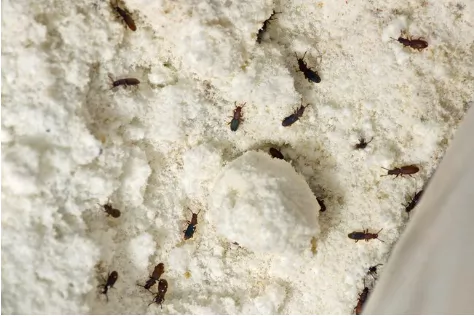
Commonly Mistaken Identities: Pests Confused with Biscuit Beetles
Cigarette beetles (Lasioderma serricorne) are the pests most frequently confused with biscuit beetles in Randburg homes due to their strikingly similar appearance and shared habits. Both are small, reddish-brown beetles measuring approximately 2-3mm in length with oval-shaped bodies. The key distinguishing features require close inspection: cigarette beetles have a more rounded, humpbacked profile, smoother wing covers, and serrated “saw-like” antennae, while biscuit beetles have distinctly grooved wing covers and clubbed antennae that end in three larger segments. Despite these anatomical differences, their behavior patterns are remarkably similar, with both species infesting a wide range of dry food products found in Randburg pantries, though cigarette beetles show a particular preference for tobacco products, dried spices, and pet foods.
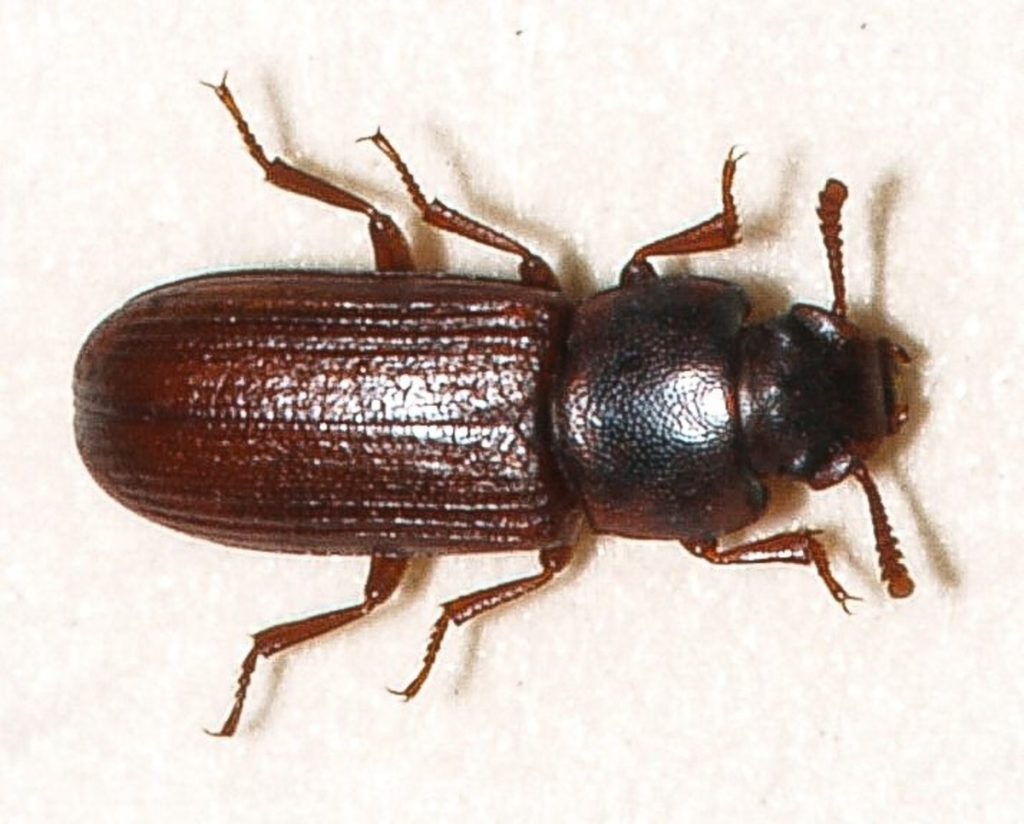
Confused flour beetles (Tribolium confusum) represent another common case of mistaken identity for Randburg homeowners dealing with pantry pests. These insects are similar in size and coloration to biscuit beetles but possess a more flattened, elongated body shape and gradually clubbed antennae rather than the distinctly segmented clubs seen in biscuit beetles. Flour beetles cannot fly, unlike biscuit beetles which are capable fliers, and they typically focus their feeding activity specifically on grain products and flour rather than the diverse diet of biscuit beetles. This distinction is important for effective treatment, as confused flour beetles primarily infest processed grain products directly rather than chewing through packaging to access various food sources, potentially requiring different control strategies from the specialists at Accend Solutions.
Accend Solutions is Available 24/7 for Emergency Pest Control including Biscuit Beetle Control in Gauteng and North-West Provinces in South Africa.
email: info@accend.co.za
call or Whatsaap: 083 357 4409/ 068 474 7303
FAQs on Biscuit Beetles Control
We know you may have questions about Biscuit Beetles in particular and how Pest Control for Biscuit Beetles work. We have compiled a few FAQs on Biscuit Beetles that might clear the confusion.
CLICK HERE FOR FAQs ON BISCUIT BEETLES/ BISCUIT BEETLES CONTROL
1. Identification and Basic Information
Q: What exactly are biscuit beetles?
A: Biscuit beetles (Stegobium paniceum), also known as drugstore or bread beetles, are small pantry pests approximately 2-3mm long with oval-shaped, reddish-brown bodies. They’re common throughout Randburg and Roodepoort homes, particularly in kitchen pantries and food storage areas. These resilient pests have been infesting human food supplies for thousands of years and are considered one of the most persistent pantry pests worldwide due to their ability to digest materials many other insects cannot.
Q: How can I identify biscuit beetles in my Randburg home?
A: Look for small (2-3mm) oval-shaped beetles with a uniform reddish-brown color in your pantry or around food storage areas. Under magnification, biscuit beetles have distinctive grooved lines running along their wing covers and three-segmented club-shaped antennae. You might also notice small round holes in food packaging, fine powdery residue beneath infested products, or tiny white larvae (approximately 4mm long) with a curved, C-shaped body. Adult beetles are often found near windows and light sources as they’re attracted to light.
Q: What is the difference between biscuit beetles and cigarette beetles?
A: While extremely similar in appearance, biscuit beetles have distinctly grooved wing covers (elytra) with noticeable parallel lines, while cigarette beetles have smoother wing covers with fine hairs. Biscuit beetles have three-segmented clubbed antennae, whereas cigarette beetles have serrated or “saw-like” antennae. Biscuit beetles have a slightly more elongated shape compared to the more rounded, humpbacked profile of cigarette beetles. Both infest similar food products in Randburg homes, but cigarette beetles show a stronger preference for spices, tobacco products, and dried flowers.
2. Infestation and Behavior
Q: What attracts biscuit beetles to homes in Randburg?
A: Biscuit beetles are primarily attracted to food sources in Randburg homes, especially starchy products and dried goods. The warm, relatively humid climate of Randburg provides ideal breeding conditions for these pests. Poor food storage practices, such as keeping products in their original paper packaging, significantly increase attraction risk. Older food products where slight fermentation may have begun emit stronger scents that are particularly attractive to these beetles. Once established, they can spread throughout a property, infesting not just food items but also books, dried plants, and other organic materials.
Q: What foods do biscuit beetles typically infest in Randburg homes?
A: Biscuit beetles have an exceptionally diverse diet in Randburg homes. They commonly infest cereals, flour, pasta, crackers, cookies, bread, dried fruits, nuts, spices, chocolate, and pet foods. However, their dietary range extends well beyond conventional food items to include dried flowers, books, leather, wool, museum specimens, and even some pharmaceutical products. This dietary flexibility makes them particularly challenging to control as they can sustain themselves on very small amounts of diverse organic materials found throughout a home.
Q: How do biscuit beetles get into unopened packages in my pantry?
A: Biscuit beetles possess surprisingly strong mandibles that allow them to chew through various packaging materials including paper, cardboard, thin plastic, and foil. Adult females often lay eggs directly on food packaging, and once the larvae hatch, they immediately begin boring through to access the food inside. Additionally, infestation can occur at manufacturing or storage facilities before products even reach your home, meaning seemingly sealed packages may already contain beetles or their eggs. This is why Accend Solutions recommends transferring all dry goods to sealed glass or hard plastic containers immediately after purchase.
Q: What is the lifecycle of biscuit beetles, and why is this important for control?
A: The biscuit beetle lifecycle consists of four stages: egg, larva, pupa, and adult. Female beetles lay approximately 75 eggs directly into or near food sources. The eggs hatch into small, white C-shaped larvae that do most of the feeding damage over 4-5 months while remaining hidden within infested products. Larvae then pupate for 12-18 days before emerging as adults. Adult beetles live 2-4 weeks, focusing on mating and egg-laying rather than feeding. Understanding this lifecycle is crucial for effective control, as treatments need to target all life stages. In Randburg’s climate, they can complete multiple generations per year, particularly in heated homes where development continues year-round.
3. Risks and Impacts
Q: Are biscuit beetles dangerous to human health?
A: While biscuit beetles don’t bite, sting, or directly transmit diseases to humans, they do pose indirect health risks. Their bodies, shed skins, and fecal matter contaminate food and can trigger allergic reactions in sensitive individuals, including respiratory issues, skin rashes, or digestive discomfort. The fungi and bacteria that often develop on foods damaged by biscuit beetles can produce harmful mycotoxins when consumed. For most healthy Randburg residents, these risks are minimal, but they may be more concerning for elderly individuals, young children, or those with compromised immune systems or existing respiratory conditions like asthma.
Q: What economic damage can biscuit beetles cause in Randburg homes?
A: The economic impact of biscuit beetle infestations in Randburg homes can be substantial. Infested food products must be discarded, potentially wasting hundreds of rands worth of groceries. Secondary costs include purchasing new storage containers, cleaning supplies, and pest control services. Extensive infestations may damage books, furnishings, or decorative items containing plant materials. For home-based food businesses in Randburg, the consequences can be even more severe, potentially leading to regulatory issues, reputation damage, and significant income loss if contaminated products reach customers or if operations must temporarily cease during treatment.
Q: Can biscuit beetles damage non-food items in my Randburg home?
A: Yes, biscuit beetles can damage various non-food items in Randburg homes. They commonly infest books, especially older volumes with glue bindings containing starch. Dried flower arrangements, herbarium specimens, decorative items containing plant materials, and certain fabrics may sustain damage. Museum collections in Randburg have reported biscuit beetle damage to preserved specimens and artifacts. Even some medications and cosmetics with plant-based ingredients can be targeted. This ability to thrive on such diverse materials makes biscuit beetles particularly problematic as they can maintain populations even when food sources are properly secured.
4. Prevention and Control
Q: How can I prevent biscuit beetles from infesting my Randburg home?
A: Prevention focuses on proper food storage and management: transfer all dry goods to airtight glass, metal, or heavy plastic containers immediately after purchase; regularly clean pantry areas with soap and water, paying attention to cracks and corners; maintain a cool, dry environment in food storage areas; inspect newly purchased items before storing them; practice first-in-first-out rotation to prevent products from becoming old and more attractive; discard expired or rarely used products; vacuum regularly to remove food debris that might sustain beetles; and consider placing bay leaves or food-grade diatomaceous earth in storage areas as natural deterrents, though these alone are insufficient for established infestations.
Q: What DIY methods can I try before calling Accend Solutions for biscuit beetle control?
A: For minor infestations in Randburg homes, start by discarding all visibly infested products in sealed plastic bags. Thoroughly clean all pantry surfaces with soap and water, paying special attention to cracks and corners. Vacuum all areas where food is stored, including shelves, floors, and baseboards, then immediately dispose of the vacuum contents outside. Transfer all non-infested dry goods to airtight containers. For areas that cannot be thoroughly cleaned, food-grade diatomaceous earth can be applied to cracks and crevices. Sticky traps near light sources can help monitor beetle activity. However, these DIY methods are often insufficient for established infestations, which typically require professional intervention from Accend Solutions.
Q: Why do I need professional treatment from Accend Solutions for biscuit beetles?
A: Professional treatment from Accend Solutions offers several advantages for Randburg residents facing biscuit beetle infestations. Our trained technicians can identify the full extent of the infestation, locating hidden breeding sites that homeowners typically miss. We utilize professional-grade treatments that are both more effective and safer than consumer products when properly applied. Our comprehensive approach addresses all life stages of the beetles, including eggs and larvae that DIY methods often miss. We provide specific guidance for preventing reinfestation based on your home’s unique characteristics. Additionally, our treatments come with follow-up service to ensure complete elimination, giving Randburg homeowners long-term peace of mind.
Q: What treatment methods does Accend Solutions use for biscuit beetle control in Randburg?
A: Accend Solutions employs a comprehensive approach to biscuit beetle control in Randburg homes. After thorough inspection, we implement targeted treatments using residual insecticides applied to cracks, crevices, and voids where beetles hide and breed. For sensitive areas like kitchens, we utilize food-safe products specifically formulated for pantry pest control. In severe cases, we may recommend specialized treatments such as heat treatment for entire pantry spaces. All our treatment protocols incorporate Integrated Pest Management principles, focusing on elimination while minimizing chemical usage. We complement these treatments with detailed guidance on environmental modifications and prevention strategies tailored to your specific situation in Randburg.
Q: How long does it take to completely eliminate biscuit beetles from a Randburg home?
A: Complete elimination of biscuit beetles from Randburg homes typically requires 2-4 weeks from initial treatment, though this timeline varies based on infestation severity, home size, and resident cooperation with recommended prevention measures. While our initial treatment targets adult beetles and accessible larvae, the eggs and hidden larvae may continue developing for some time afterward. Our comprehensive treatment plan includes a follow-up visit to address any remaining activity. To expedite elimination, we strongly recommend that homeowners follow our detailed preparation guidelines before treatment and implement the prevention strategies we provide afterward. With proper professional treatment from Accend Solutions and diligent follow-up, most Randburg residents see complete resolution within one month.
5. Specific Scenarios and Concerns
Q: If I find biscuit beetles in one food item, do I need to throw away everything in my pantry?
A: Finding biscuit beetles in one product doesn’t necessarily mean discarding everything, but careful inspection of all nearby items is essential. Immediately remove and dispose of the infested product in a sealed bag outside your home. Thoroughly examine all other stored products, particularly those adjacent to the infested item and those containing similar ingredients. Pay special attention to older, rarely used products. Transfer all non-infested items to airtight containers and inspect them again after a few days, as eggs or larvae may not be immediately visible. When in doubt about a product’s status, freezing it for 7 days at -18°C will kill all life stages of the beetles before you decide whether to use or discard it.
Q: My Randburg home has had recurring biscuit beetle problems despite multiple treatments. Why is this happening?
A: Recurring infestations in Randburg homes usually indicate overlooked breeding sites or reinfestation sources. Common culprits include forgotten food items in rarely accessed cabinets, decorative items containing plant materials, books with starch-based bindings, pet food storage areas, orrodent bait stations containing grain products. Beetles may also be harboring in structural voids, wall cavities, or ceiling spaces, particularly in older Randburg homes. Neighbors in adjoining properties might have untreated infestations allowing beetles to migrate. Accend Solutions offers specialized inspection services using advanced techniques to locate these hidden sources, followed by targeted treatments to address these challenging scenarios and break the reinfestation cycle permanently.
Q: Are biscuit beetles seasonal in Randburg, or can they appear year-round?
A: While biscuit beetles can be active year-round in Randburg homes, residents often notice increased activity during warmer, more humid months (September through March). This seasonal pattern occurs because higher temperatures accelerate their reproductive cycle, with development time decreasing significantly as temperatures rise. In heated homes, however, biscuit beetles can remain active and reproduce throughout the year regardless of outdoor conditions. Additionally, adult beetles are more likely to fly and spread during warmer weather, potentially entering homes through open windows or doors. Accend Solutions recommends implementing stronger preventive measures during spring and summer months when beetle activity typically intensifies across the Randburg area.
Q: How do biscuit beetles compare to other common pantry pests found in Randburg?
A: Compared to other common Randburg pantry pests like Indian meal moths, rice weevils, and confused flour beetles, biscuit beetles have several distinctive characteristics. They have a broader diet range than most other pantry pests, infesting a wider variety of products beyond just grains. Biscuit beetles are stronger fliers than many other pantry pests, allowing them to spread more readily throughout a home. Their larvae can digest materials many other insects cannot, including some toxic plant compounds. They’re more tolerant of lower humidity than pests like grain mites. Biscuit beetles also have a longer larval development period (4-5 months) compared to many other pantry pests, making elimination more challenging and often requiring Accend Solutions’ specialized knowledge of their unique biology.
6. Accend Solutions Services
Q: What makes Accend Solutions different from other pest control companies in Randburg?
A: Accend Solutions distinguishes itself in Randburg through our specialized knowledge of local pest patterns, including the specific behaviors of biscuit beetles in our unique climate conditions. Our technicians receive extensive training focused on pantry pest biology and control methods rather than generic pest management. We utilize a science-based Integrated Pest Management approach that addresses root causes rather than just symptoms. Our treatments incorporate the latest product technologies with minimal environmental impact. We provide comprehensive client education with customized prevention plans for each home. Additionally, our service includes thorough follow-up inspections to ensure complete elimination, with our treatments backed by a satisfaction guarantee unmatched by other Randburg pest control providers.
Q: What does a biscuit beetle treatment from Accend Solutions typically cost in Randburg?
A: Treatment costs for biscuit beetle infestations in Randburg homes typically range from R800-R2500, varying based on home size, infestation severity, and required treatment methods. This investment covers comprehensive inspection, initial treatment, follow-up visits, and prevention guidance. Accend Solutions offers transparent pricing with detailed quotes provided after inspection, with no hidden charges or upselling. For severe or complex infestations requiring specialized approaches, additional costs may apply, but these are always discussed upfront. We offer flexible payment options and service packages that can be tailored to different budgets. The long-term value comes from our proven ability to resolve infestations permanently, avoiding the continuing costs associated with recurring problems and damaged food products.
Q: How quickly can Accend Solutions respond to a biscuit beetle infestation in Randburg?
A: Accend Solutions prioritizes rapid response for Randburg residents facing biscuit beetle infestations. We typically offer same-day or next-day inspections for urgent situations, with treatment appointments usually available within 1-3 business days after inspection. Our local presence in the Randburg and Roodepoort areas allows us to maintain this responsive scheduling even during peak seasons. For particularly urgent situations involving health concerns or business operations, we offer emergency same-day service when scheduling permits. After contacting our office, clients receive appointment confirmation and preparation guidelines immediately, allowing them to take preliminary steps while awaiting professional treatment. Our efficient scheduling system ensures minimal wait times, recognizing that prompt intervention is crucial for preventing spread and reducing the overall impact of biscuit beetle infestations.
Q: Does Accend Solutions provide any guarantees for their biscuit beetle treatments in Randburg?
A: Yes, Accend Solutions provides a comprehensive service guarantee for biscuit beetle treatments in Randburg homes. Our standard treatment includes a 30-day guarantee period during which we’ll return at no additional cost if beetle activity persists. For clients selecting our premium protection plans, this guarantee extends to 90 days with scheduled follow-up inspections. These guarantees require client cooperation with our preparation guidelines and prevention recommendations. For commercial properties in Randburg, we offer customized guarantee terms based on facility type and operation patterns. Our confidence in providing these guarantees stems from our high success rate with initial treatments when our protocols are followed. This commitment to guaranteed results distinguishes Accend Solutions from many other Randburg pest control providers who offer limited or no service warranties.