
Hornet Pest Control (Hornets)
Get Free Quote
What are Hornets?
Hornets are large social wasps belonging to the genus Vespa, characterized by their substantial size (typically 1.5-2 inches long), distinctive black and yellow or orange markings, and powerful stingers. Unlike their smaller wasp cousins, hornets build large, enclosed paper nests often found in trees, shrubs, or building eaves, where colonies can house hundreds of individuals organized in a complex social hierarchy including a queen, workers, and males. These formidable insects are predatory, hunting other insects including pests like flies and caterpillars, making them beneficial to gardens despite their intimidating reputation. Hornets defend their nests aggressively when threatened, capable of delivering multiple painful stings containing venom that can cause severe reactions in sensitive individuals. While feared by many, hornets generally avoid human contact unless their nest is disturbed, and they play important ecological roles as both predators and pollinators in their natural habitats. Hornets are oftenconfused with wasps but they are not the same (learn more!)
Why Are Hornets at My Property?
Hornets are attracted to properties for several key reasons. Food sources are a primary attractor, including flowering plants, fruit trees, open garbage, pet food, sweet drinks, and protein-rich foods left outdoors. Water sources like bird baths, ponds, leaky pipes, and standing water draw hornets, especially during dry periods. Shelter opportunities such as undisturbed areas with tree cavities, abandoned rodent burrows, empty sheds, attics, or spaces under decks provide ideal nesting locations. Other insects on your property (which hornets hunt) can establish a food chain that keeps hornets returning. Bright colors and strong fragrances from perfumes, scented soaps, or flowery landscaping may also increase hornet activity around your home. Reducing these attractants can significantly decrease the likelihood of hornets establishing nests on your property.
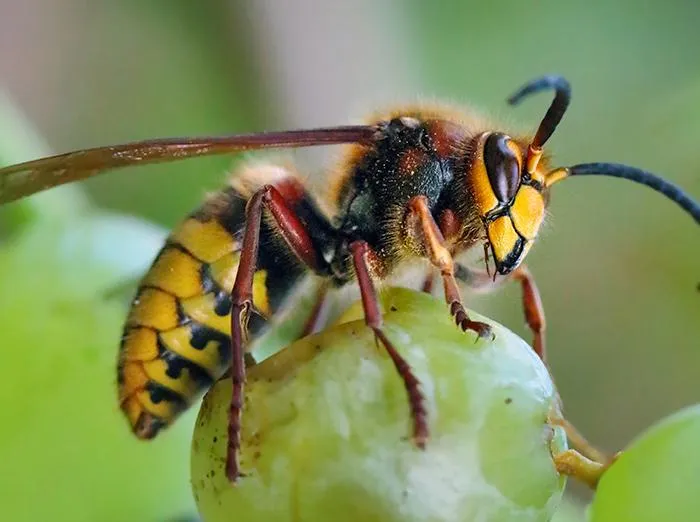
Dangers Associated with Wasps
Dangers and risks associated with hornets in Johannesburg include:
Painful stings that can cause intense localized pain, swelling, and redness lasting several days. Multiple stings are common as hornets can sting repeatedly unlike honeybees. For allergic individuals, hornet stings pose potentially life-threatening risks of anaphylactic shock requiring immediate medical attention. Even non-allergic people can experience severe reactions if receiving multiple stings.
Hornets defend their nests aggressively when threatened, attacking in coordinated groups and pursuing perceived threats for considerable distances. This protective behavior creates particular danger around homes with children or pets who might unknowingly disturb nests.
In Johannesburg’s urban environment, hornets often build nests in problematic locations like wall cavities, roof spaces, garages, and garden structures. These nests can cause property damage through chewing wood fibers and creating entry points that may allow water infiltration or access for other pests.
The Johannesburg climate, with its warm temperatures and seasonal rains, creates ideal conditions for hornet populations to thrive, potentially leading to larger colonies and more frequent human encounters than in cooler regions.
Request A Free Quote
What are the steps to Hornet Control For Home or Office?
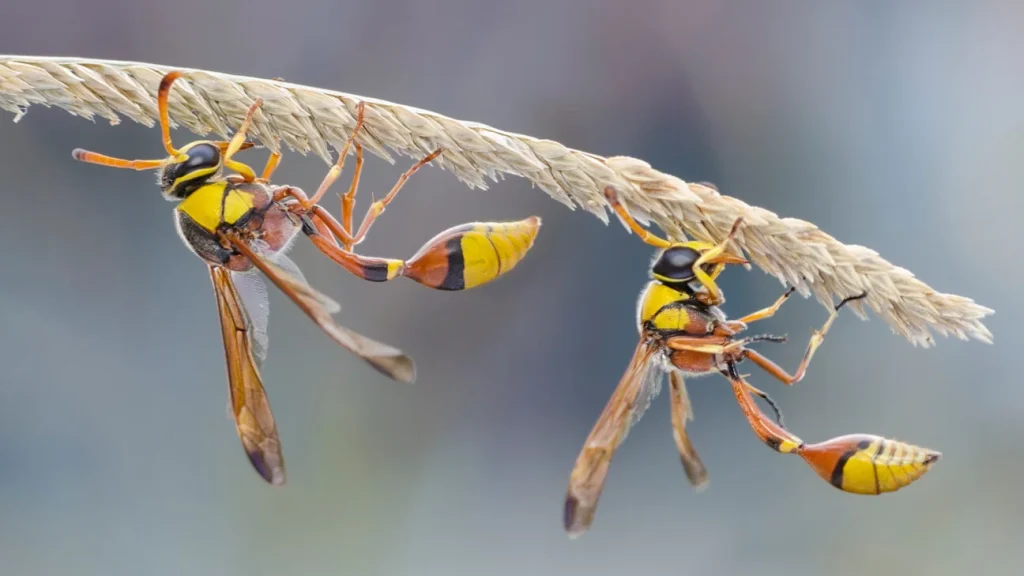
- Identification: Correctly identify the pest as hornets rather than bees or other wasps to determine appropriate control methods.
Inspection: Thoroughly examine your property, focusing on eaves, trees, shrubs, building overhangs, and sheltered areas to locate all nests.
Risk Assessment: Evaluate the nest location, size, activity level, and proximity to high-traffic areas to determine urgency and approach.
Protection: Before attempting removal, wear appropriate protective clothing including thick clothing, gloves, boots, and ideally a bee suit with face protection.
Timing: Plan removal for early morning or late evening when hornets are less active and most members are in the nest.
Chemical Treatment: Apply an appropriate insecticidal dust or spray specifically formulated for hornets, directing it at nest entrance points.
Professional Consultation: For large nests, multiple nests, or nests in difficult locations, contact professional pest control services with proper equipment and experience.
Nest Removal: After ensuring all hornets are dead (typically 24-48 hours after treatment), carefully remove and dispose of the nest in sealed plastic bags.
Cleanup: Thoroughly clean the area where the nest was located to remove pheromones that might attract future hornets.
Prevention: Implement preventative measures including sealing entry points, removing food attractants, managing garbage properly, and regularly inspecting your property.
Follow-up: Monitor the area for several weeks to ensure complete elimination and address any new activity immediately.
Maintenance: Establish regular property inspections, particularly during spring and summer months when hornet activity increases.
Accend Solutions is Available 24/7 for Emergency Pest Control including Hornet Pest Control in Gauteng and North-West Provinces in South Africa.
email: info@accend.co.za call: 068 474 7303
FAQs on Hornet Control
We know you may have questions about Hornets in general and how Pest Control for Hornet Nest Removal works. We have compiled a few FAQs on Hornets that might clear the confusion.
CLICK HERE FOR FAQs ON HORNETS/HORNET CONTROL
What types of hornets are common in Randburg and Roodepoort?
The most common hornet-like insects in the Randburg and Roodepoort areas include the African paper wasp, German wasp, and yellow jacket. While true hornets (genus Vespa) are not native to South Africa, these similar stinging insects are often referred to as hornets locally and present similar challenges.
How can I identify hornets versus other stinging insects?
Hornets and similar wasps are generally larger than bees (approximately 1.5-2 inches long), have distinctive black and yellow/orange markings, a defined “waist” between thorax and abdomen, and smooth bodies without the fuzzy appearance of bees. Their nests are typically grey or brown papery structures, either open-celled (paper wasps) or enclosed with an entry hole (yellow jackets).
When is hornet season in Johannesburg?
Hornets and wasps are most active during the warm months from September through April, with peak activity occurring during December through February. Nest building typically begins in spring (September-October) and colonies reach maximum size in late summer.
Are hornets beneficial in any way?
Yes, hornets and wasps play important ecological roles as they prey on numerous pest insects including flies, caterpillars, and beetle larvae. They help control garden and agricultural pests naturally. However, when nesting near human dwellings, the risks typically outweigh these benefits.
Hornet Nests and Behavior
Where do hornets typically build nests around properties?
Hornets and wasps commonly build nests in protected locations such as eaves, attics, wall voids, tree cavities, abandoned rodent burrows, under decks and porches, in sheds, garages, and outdoor furniture. In Randburg and Roodepoort, they particularly favor sheltered positions that protect from afternoon rain showers.
How large can hornet nests get in our region?
Depending on the species, nests can range from the size of a tennis ball (paper wasps) to as large as a beach ball (yellow jackets) by late summer. In the Johannesburg climate, favorable conditions can produce especially large colonies containing hundreds or even thousands of individuals.
Why are hornets suddenly appearing around my property?
Sudden hornet appearances typically indicate either: 1) A nest has recently been established nearby, 2) Seasonal changes have increased foraging activity, 3) Food sources (flowering plants, fruit, outdoor food/drinks, garbage) are attracting them, or 4) Water sources during dry periods are drawing them to your property.
What attracts hornets to my home or business?
Hornets are primarily attracted by: food sources (including sweet substances, proteins, other insects, and garbage), water sources, suitable nesting locations, bright colors (particularly yellows and whites), and strong fragrances. Properties with abundant flowering plants, fruit trees, and standing water are particularly appealing.
Hornet Risks and Dangers
How dangerous are hornet stings in Randburg?
Hornet stings typically cause intense pain, redness, and swelling lasting 1-3 days. While uncomfortable for most people, they become dangerous in cases of multiple stings or allergic reactions. Approximately 2-3% of the population may experience severe allergic reactions requiring immediate medical attention.
Can hornets damage my property?
Yes, hornets can cause property damage by chewing wood fibers for nest construction, creating entrance holes in structures, and leaving stains from nest materials. In Randburg’s climate, abandoned nests can deteriorate and lead to water damage or become breeding grounds for other pests if left within structures.
How aggressive are hornets around their nests?
Hornets and wasps become highly defensive when their nest is threatened, potentially attacking in groups. They can pursue perceived threats for 50-100 meters. Paper wasps tend to be less aggressive than yellow jackets, but any hornet species will vigorously defend their colony if disturbed.
Are certain people at higher risk from hornet stings?
Yes, individuals with known insect venom allergies, young children, elderly people, and those with compromised immune systems face higher risks from stings. Those with respiratory conditions like asthma may also experience more severe reactions to stings.
Prevention and Protection
How can I prevent hornets from nesting on my property?
Preventative measures include: sealing potential entry points to buildings, removing or covering food sources, properly managing waste bins, trimming vegetation away from structures, eliminating standing water, applying preventative treatments to previous nest sites, and conducting regular property inspections during spring and early summer.
What are the best methods to keep hornets away from outdoor gatherings?
For outdoor events, use wasp traps positioned at least 6 meters from gathering areas, avoid bright clothing and floral perfumes, keep food and drinks covered, use unscented candles or specialized repellent products, clean spills immediately, and position garbage bins away from guest areas.
Which plants repel hornets naturally?
Plants that can help repel hornets include eucalyptus, citronella, mint, lemongrass, thyme, cucumber plants, and marigolds. Strategic placement of these around patios, entrances, and outdoor living spaces can help reduce hornet activity without chemicals.
How effective are commercial hornet repellents?
Commercial repellents show varying effectiveness depending on the product and situation. Essential oil-based repellents (mint, lemongrass, clove) provide short-term deterrence. Electronic repellers have limited scientific support. Chemical barrier treatments applied by professionals typically offer the most reliable protection, lasting 1-3 months.
Hornet Nest Removal
How much does professional hornet nest removal cost in Randburg?
Accend Solutions’ professional hornet nest removal typically costs between R800-R2500, depending on factors such as nest size, location, accessibility, number of nests, and whether structural modifications are needed to access concealed nests. We provide free quotations after assessing the specific situation.
Is it safe to remove a hornet nest myself?
DIY removal carries significant risks, especially for large nests, nests in difficult locations, or for individuals without proper protective equipment and experience. The danger of multiple stings, falls from ladders, and property damage makes professional removal the safer option in most cases.
How quickly can Accend Solutions respond to a hornet emergency in Roodepoort?
Accend Solutions offers emergency response services, typically reaching Randburg and Roodepoort locations within 2-4 hours of contact during business hours. For extreme emergencies involving safety risks, we prioritize immediate dispatch of technicians.
What methods does Accend Solutions use to remove hornet nests?
Our approach depends on the nest location, size, and species. We utilize integrated pest management techniques including:
- Targeted insecticidal dusts and sprays for direct nest treatment
- Specialized extraction equipment for hard-to-reach nests
- Physical removal and disposal of nests after treatment
- Residual barrier treatments to prevent reinfestation
- Exclusion techniques to seal entry points All treatments are conducted with minimal environmental impact while ensuring complete elimination.
After Nest Removal
How long after treatment before the area is safe?
After professional treatment, the area typically becomes safe within 24 hours as foraging hornets return to the treated nest. For complete safety, we recommend limiting activity near the former nest site for 48-72 hours and allowing our technicians to confirm elimination on a follow-up visit.
Do I need to clean anything after a hornet nest is removed?
Yes, after professional removal, cleaning the area with soap and water helps eliminate pheromone traces that might attract future hornets. For nests inside walls or voids, we recommend specialized cleaning and sealing services to prevent reinfestation and address any contamination.
Will hornets return to the same location after nest removal?
While the same colony will not return once eliminated, new queens seeking nesting sites the following season may be attracted to previous nest locations if pheromone traces remain. Our service includes recommendations and treatments to discourage re-establishment.
Does Accend Solutions offer any guarantees on hornet removal?
Yes, Accend Solutions provides a 30-day guarantee on all hornet removal services. If hornets return to the treated nest site within this period, we will provide additional treatments at no extra cost. Maintenance plans are also available for properties with recurring issues.
Accend Solutions’ Services
What areas does Accend Solutions serve for hornet control?
We provide comprehensive hornet and wasp control services throughout Randburg, Roodepoort, and surrounding areas including Northcliff, Fairland, Cresta, Florida, Weltevreden Park, and neighboring communities in northwestern Johannesburg.
Does Accend Solutions offer preventative hornet control services?
Yes, we offer seasonal preventative treatments, typically applied during early spring before major hornet activity begins. Our preventative services include property inspection, treatment of potential nesting areas, exclusion work to seal entry points, and consultations on landscape management to reduce attractiveness to hornets.
Are Accend Solutions’ hornet treatments safe for children and pets?
All our treatments prioritize safety while remaining effective. We use targeted application methods and select products that become safe for humans and pets shortly after application (typically 2-4 hours). Our technicians provide specific safety instructions for each treatment scenario, and we offer green treatment options upon request.
What qualifications do Accend Solutions’ technicians have?
All our hornet control technicians are certified pest management professionals with specific training in stinging insect control. They receive ongoing education on the latest treatment methods, safety protocols, and species identification. Our team complies with all South African pest control regulations and carries appropriate insurance coverage.
How do I schedule a hornet inspection or treatment with Accend Solutions?
To schedule service, contact our customer care team at 083 357 4409 or email info@accend.co.za. You can also request service through our website contact form. For emergency situations, please call our emergency response line at 068 474 7303 for priority scheduling.